Entry · Ref SKUWTMRT
From Mood Board to Motion: How Campaign Video Creation Starts With a Visual Brief
- Posted
- 2026-11-26
- Last amended
- 2026-11-26
- Account
- @scensignals
What a mood board does for a video campaign
A mood board collects images, colour swatches, textures, typography, and sometimes short video clips that capture the look and feel a brand wants. For a campaign video, the mood board is the visual brief: it tells everyone what atmosphere, lighting style, and composition the final piece should have. Without it, a creative team can drift toward different interpretations of the same brief, wasting time on revisions that a shared reference would have prevented.
In campaign video creation, the mood board does more than set an aesthetic. It anchors the campaign concept in a tangible form. A brand guideline might say "modern and energetic", but a mood board shows what that actually looks like: high contrast, fast cuts, saturated colour, or a handheld camera feel. The board bridges the gap between abstract strategy and the concrete decisions a video editor or animator makes every day. Happy Wan — Multimodal AI Video Generation Online Free
From static collection to moving storyboard
A mood board alone cannot tell a story. It shows a destination, not the route. That is where the storyboard comes in. A storyboard sequences the mood board's visual language into a timeline: what happens in the first three seconds, how the product image appears, where the call to action lands. Together, the mood board and storyboard form a complete visual brief that the production team can follow without guesswork.
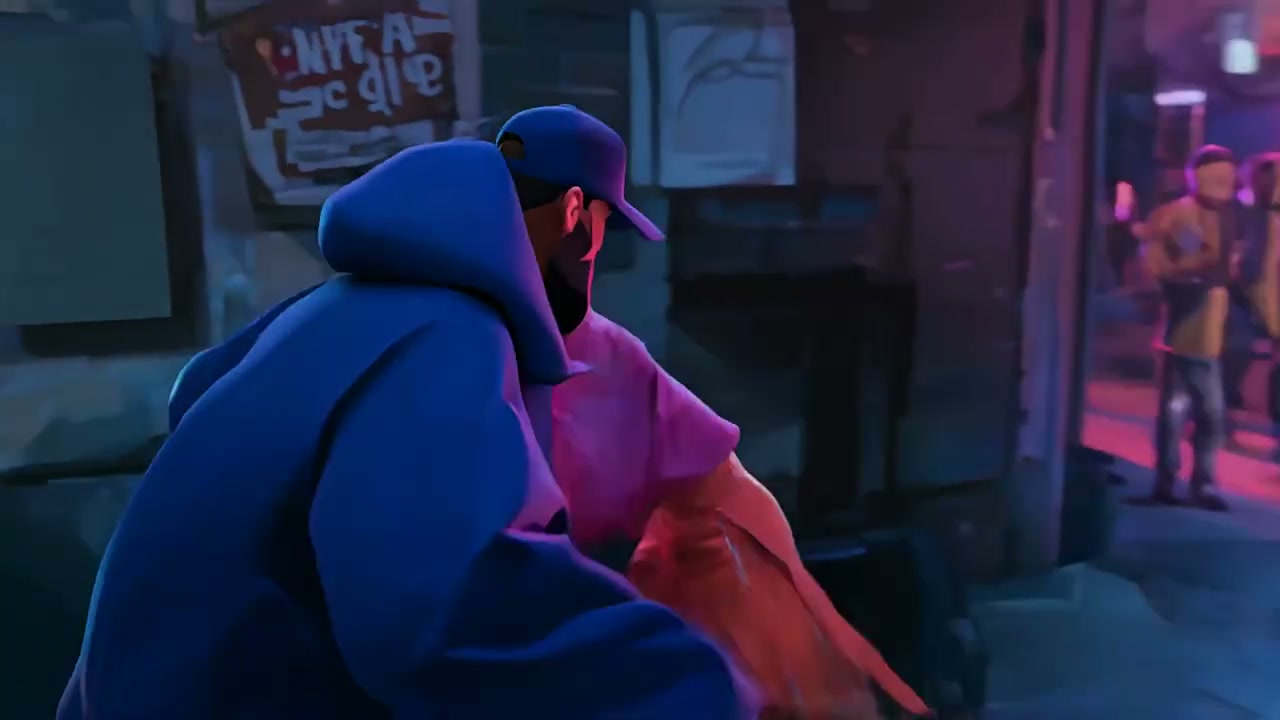
But a static storyboard still leaves room for interpretation. A drawing of a scene does not show how the light shifts as the camera moves, or how the soundtrack interacts with the cuts. That is why more teams now turn mood boards into moving visual concepts before full production begins. They create a rough moving version of the storyboard, sometimes called an animatic or a motion sketch, that preserves the mood board's colour palette and texture while adding timing, camera movement, and rough audio cues.
How a moving concept changes the workflow
Translating a mood board into a moving concept early in the process changes several things. First, it reveals problems that a static board hides. A colour combination that looks striking in a still may feel flat when it moves. A transition that seems natural on paper may confuse the viewer when it plays at speed. By catching these issues before the final render, you save time and budget.
Second, a moving concept makes it easier to test the campaign concept with stakeholders. A client or a marketing director can watch a one-minute rough cut and say "the energy is too low" or "the lighting feels wrong for the brand" before any expensive shooting or animation happens. This is creative testing in its most useful form: fast, cheap, and focused on the audience's reaction rather than the production details.
Third, the moving concept becomes the single source of truth for every person involved. The editor knows the pacing. The sound designer hears the tone. The colourist has a reference for the grade. The copywriter sees where the text overlays land. A visual brief that moves communicates more in thirty seconds than a ten-page document can.
Tools and methods for turning boards into motion
You do not need a full production team to create a moving concept. Many tools let you import images, arrange them on a timeline, add basic transitions, and overlay text or simple animation. The goal is not polish; it is clarity. A rough cut with placeholder audio and unrefined transitions can still show the pacing, the emotional arc, and the relationship between visuals and sound.
Some teams use dedicated storyboarding software that includes timeline features. Others pull the mood board images into a video editor, set them to a temporary track, and record a scratch voiceover. The result is a draft that the whole team can watch and discuss. For social video campaigns, where speed matters, this approach often lets a brand go from concept to final video in days rather than weeks.
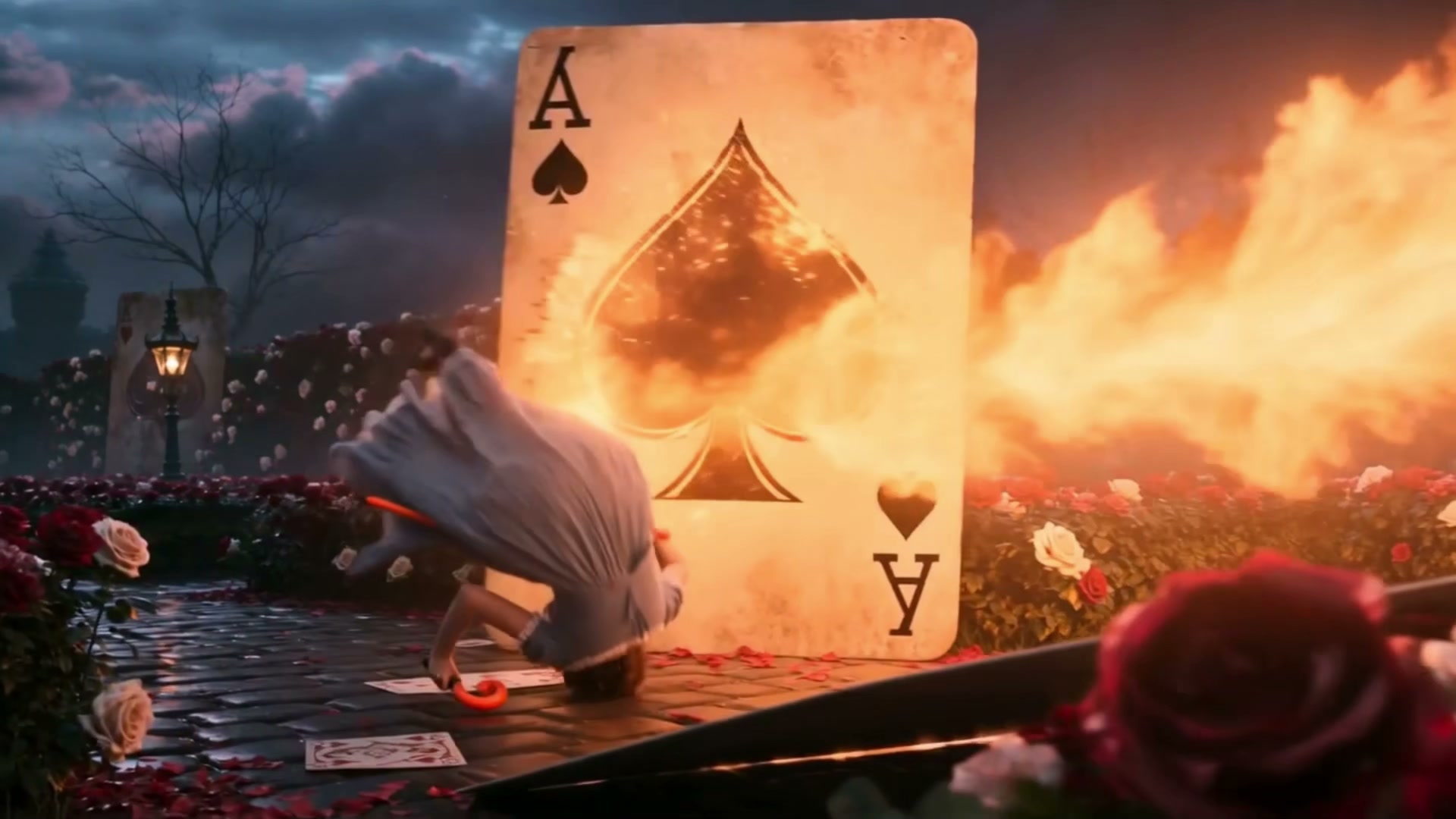
A tool like Happy Wan, Multimodal AI Video Generation Online Free fits naturally into this workflow. It accepts images, text, reference clips, and audio as inputs, so a mood board can be uploaded directly and turned into a moving sequence without manual editing. The multimodal input means the visual brief stays intact: the colour palette from the product image, the texture from the reference clip, and the pacing from the audio all carry through to the output. This keeps the campaign concept faithful to the original mood board while giving the team a moving concept to review and refine.
What this means for campaign video creation
Adopting a moving concept approach changes the way a brand plans its video content. Instead of writing a brief, then storyboarding, then shooting, and hoping the result matches the original idea, the team validates the idea in motion first. This is especially valuable for brand guideline compliance. A mood board that includes the brand's approved colours, logo placement rules, and typography can be turned into a moving concept that the brand team reviews before any production begins. The result is fewer rounds of feedback and a final video that feels intentional from the first frame.
For agencies and in-house teams, the shift also affects how they present ideas to clients. A static deck of mood boards and storyboards can feel abstract. A moving concept feels like a finished product, even when it is rough. Clients respond to what they see and hear, not what they imagine. The moving concept gives them something real to react to, which leads to faster decisions and less back-and-forth.
The same logic applies to creative testing with audiences. A static mood board shown to a focus group may get a polite nod. A sixty-second moving concept, even in a rough state, will provoke a real reaction: confusion, excitement, boredom. That reaction is the data you need to decide whether the campaign concept works before you spend on full production.
Practical considerations when building a moving concept
Keep the moving concept short. One minute is usually enough to show the arc. If the final video will be two minutes, the moving concept can be a condensed version that hits the key emotional beats. Do not spend time on fine details. The point is to test structure, pacing, and mood, not to preview the final grade or animation quality.
Use the mood board as the primary input. Every image in the moving concept should come from the board or from a closely related reference. If you start adding new material at this stage, you risk diluting the visual brief. Stay disciplined: the moving concept is a test of the board's viability, not a redesign.
Share the moving concept with a small group first. The people who approved the mood board and the storyboard should see it before anyone else. If they sign off on the moving concept, production can proceed with confidence. If they ask for changes, those changes cost almost nothing at this stage. The same change requested after the final render would cost time and money.

A tool like Happy Wan, Multimodal AI Video Generation Online Free can generate a moving concept quickly, which means you can iterate on the visual brief without slowing the campaign timeline. You can upload a revised mood board, adjust the reference clip, or change the audio, and see how the new combination looks in motion. This speed makes creative testing practical even for tight deadlines and small budgets.
The bottom line for campaign video creation
Turning a mood board into a moving visual concept is a practical step that saves time, reduces risk, and improves the final video. It transforms a static visual brief into a tool that the whole team can use, from the creative director to the sound designer. For anyone involved in campaign video creation, adopting this approach means fewer surprises, faster approvals, and videos that match the brand's vision from the first frame to the last.